
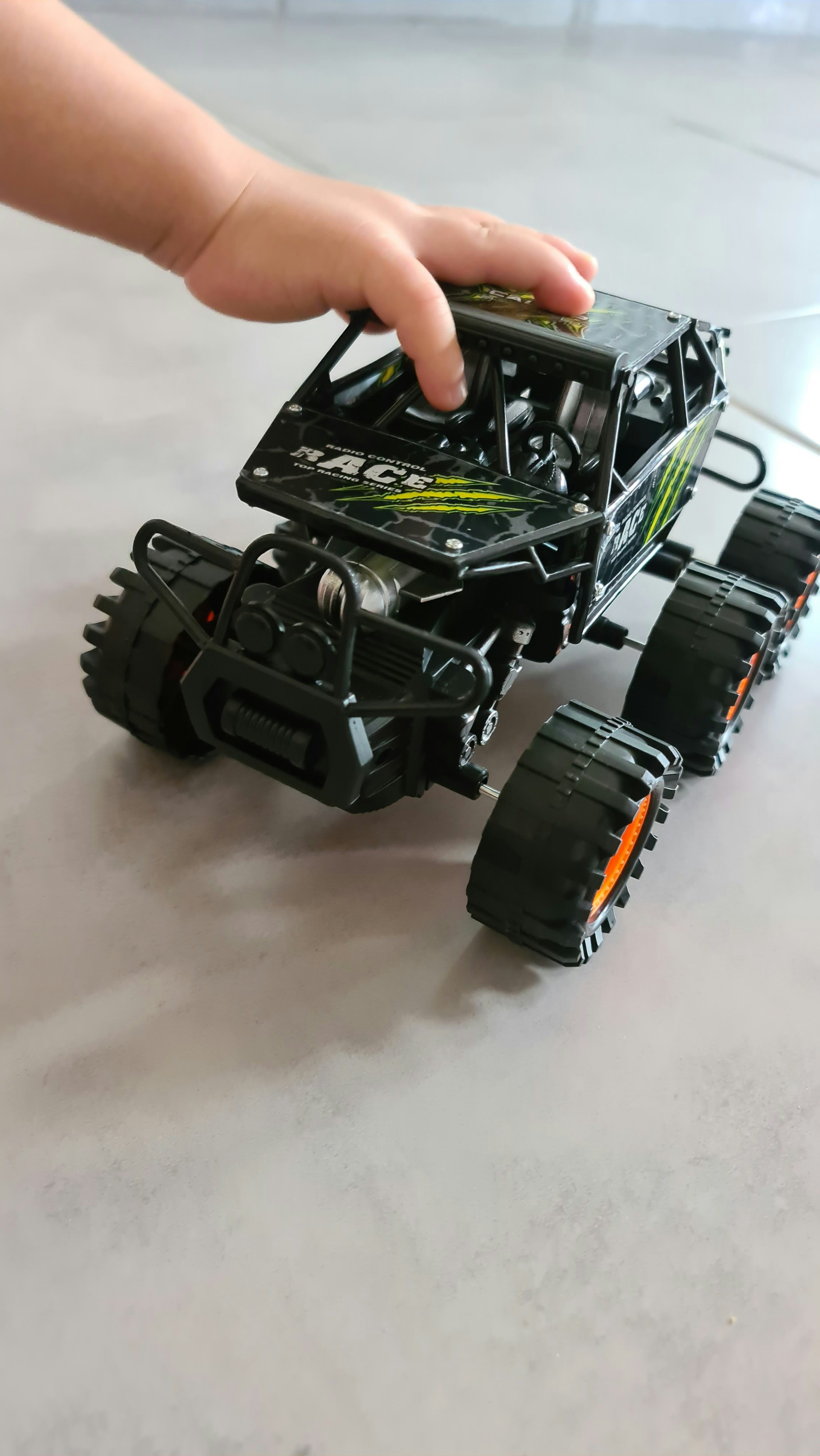
Introduction to Manual and Automatic Toys
When it comes to selecting toys for children, the choice often boils down to manual versus automatic toys. Manual toys require direct interaction and often support imaginative play, encouraging children to engage their creativity. Examples include building blocks, dolls, and puzzles. These toys typically rely on the child’s physical manipulation to function, hence fostering fine motor skills and cognitive development.
On the other hand, automatic toys operate using batteries or mechanisms, providing entertainment with little to no input required from the child. Examples of automatic toys include remote-controlled cars, robotic figures, and electronic learning devices. These toys often captivate children with their movements or sounds, presenting a different learning experience that may engage different sensory processes.
Understanding the distinctions between manual and automatic toys is essential for parents and gift-givers alike. Each type offers unique advantages and appeals to varying aspects of child development. For instance, while automatic toys might entertain and educate through technology, manual toys can promote hands-on learning and social interaction. This balance is vital for ensuring comprehensive development in children.
Assessing these differences can assist parents in making informed decisions based on a child’s interests and developmental stage. By considering the benefits associated with both manual and automatic toys, caregivers can provide a well-rounded play experience that meets the evolving needs of their children. Whether it is fostering creativity with manual toys or introducing problem-solving skills with automatic options, each choice contributes to a child’s growth. Understanding these fundamentals allows for a thoughtful approach to toy selection.
Benefits of Manual Toys
Manual toys offer a multitude of advantages that contribute to the holistic development of children. One significant benefit is their ability to encourage creativity. Unlike automatic toys that present predefined scenarios, manual toys require children to use their imagination to create unique play experiences. This open-ended nature allows children to explore different roles and situations, fostering original thinking and innovation.
Additionally, manual toys play a crucial role in enhancing fine motor skills. Engaging with toys such as building blocks, puzzles, or art supplies necessitates precise hand movements. As children manipulate these toys, they strengthen the small muscles in their hands and fingers, which is essential for tasks like writing and self-care later in life.
Moreover, manual toys often promote problem-solving abilities. As children face challenges, such as figuring out how to assemble a toy or navigate a maze, they learn to analyze situations and develop strategies. This skill not only aids in their cognitive development but also instills a sense of accomplishment when they successfully overcome obstacles.
Another critical aspect of manual toys is their ability to encourage active play and interaction among children. These toys often invite cooperation or competition, prompting children to engage with peers or family members. This social interaction is invaluable, helping to develop communication skills, teamwork, and emotional intelligence.
Some popular examples of manual toys include construction sets like LEGO, craft kits, and board games. Each of these toys requires thoughtful engagement and manual dexterity, showcasing the numerous benefits that manual toys bring to children’s playtime. By opting for manual toys, parents can support their children’s growth while providing enriching and enjoyable experiences.
Benefits of Automatic Toys
Automatic toys have revolutionized the landscape of children’s play, offering numerous advantages that engage young minds through technology. One of the primary benefits of these toys is their ability to promote engagement. Unlike traditional manual toys, automatic toys often incorporate interactive elements that capture a child’s attention, fostering sustained interest and engagement. These interactive capabilities encourage children to explore and learn as they play, allowing for a dynamic play experience.
In addition to engagement, many automatic toys come with educational features that can enhance a child’s learning experience. For instance, some toys use auditory and visual stimuli to teach numbers, letters, and problem-solving skills. By blending education with playtime, automatic toys help children acquire essential developmental skills in a fun and enjoyable manner.
Moreover, automatic toys stimulate imagination and creativity. With features such as customizable settings, sound effects, and movement patterns, these toys provide a platform for children to create their own narratives and scenarios during playtime. As they manipulate the toys and respond to their actions, children learn how to think critically and solve problems, thereby enhancing cognitive development.
The incorporation of technology into play also allows for social interaction, as many automatic toys are designed to be shared among peers. Children can collaborate on gameplay or participate in friendly competition, which further facilitates the development of social skills. In doing so, automatic toys serve as powerful tools to offer not only entertainment but also avenues for learning and growth.
Developmental Considerations: Manual vs. Automatic
The choice between manual and automatic toys is significant in shaping a child’s developmental trajectory. Manual toys, which require active input from the child to operate, play a crucial role in promoting cognitive skills. These toys often invite problem-solving and critical thinking, as children discover how to manipulate them effectively. For instance, building blocks demand spatial awareness and logical reasoning as children figure out how to balance and create structures. In contrast, automatic toys, which function independently, may place greater emphasis on sensory stimulation. While they can be engaging, they may not encourage the same level of critical thinking.
Moreover, social development can be influenced by the type of toys children play with. Manual toys, especially those that encourage collaboration, such as board games or construction sets, foster social skills by promoting teamwork and communication. When children work together to achieve a common goal, they learn to share, negotiate, and resolve conflicts. Automatic toys, while entertaining, may lead to solitary play, which could limit opportunities for social interaction and the development of interpersonal skills.
Physical development is another important consideration. Manual toys often promote fine and gross motor skills as children engage in actions like pulling, pushing, or manipulating objects. This physical engagement supports hand-eye coordination and dexterity, essential components of early childhood development. On the other hand, automatic toys may minimize physical interaction, relying instead on visual and auditory stimuli. Consequently, while both types of toys have their merits, manual toys may offer more robust benefits in fostering a range of developmental milestones. Different toys cater to diverse developmental needs, and the choice between them will ultimately depend on the desired outcomes for the child’s growth.
Safety Considerations for Manual and Automatic Toys
When choosing between manual and automatic toys, safety is a paramount concern for parents and caregivers. Both types of toys come with unique risk factors that warrant careful consideration. Understanding the materials used, age appropriateness, choking hazards, and the complexity of mechanisms in automatic toys can greatly affect the safety of playtime.
First, the materials employed in toy production can influence their safety. Manual toys are often crafted from wood, fabric, or plastic, with quality manufacturing ensuring they are free from harmful chemicals. In contrast, automatic toys may feature electronic components that require adherence to safety standards regarding battery usage and wiring. Parents must be vigilant about ensuring that any toy, whether manual or automatic, complies with safety regulations and is made from non-toxic materials.
Age-appropriateness is another critical aspect of toy safety. Many manufacturers provide age recommendations on packaging, which can help guide parents toward suitable choices. Manual toys, often designed for open-ended play, typically allow younger children to engage more easily and safely. Conversely, automatic toys may be more suitable for older children who can understand their functioning and operate them safely. This brings us to choking hazards, which warrant attention, especially for toys with small parts that could pose risks for younger children.
Lastly, the complexity of automatic toys necessitates a closer examination of safety. These toys may contain moving parts, sensors, and batteries, which can present risks if children do not handle them according to instruction. Manual toys, being simpler in design, generally reduce the likelihood of accidents, as they often do not feature such intricate mechanisms. Ensuring that all toys, regardless of type, are well-suited to a child’s developmental stage is essential for fostering a safe play environment.
User Experience: Play Patterns and Preferences
Understanding how children interact with manual and automatic toys is crucial for parents when selecting the right toys that cater to their child’s unique interests and developmental needs. Play patterns can vary significantly between these two types of toys, influencing a child’s engagement and satisfaction. Manual toys, which often require physical manipulation, encourage children to use their motor skills and creativity. Activities such as building, assembling, or performing actions with these toys can enhance problem-solving abilities and foster imaginative play.
Conversely, automatic toys tend to stimulate a different kind of engagement. These toys often operate independently, providing sensory feedback such as lights, sounds, or movement, which can captivate a child’s attention. Many children are drawn to the dynamic nature of automatic toys, which can seem more stimulating due to their interactive features. The child’s age, developmental stage, and individual preferences can significantly affect the choice between manual and automatic options.
Moreover, social factors play a role in influencing a child’s toy preferences. For instance, children may be inclined to choose toys that their peers are using during playdates or group activities. The influence of popular culture and media also cannot be overlooked; characters from beloved shows or movies can drive children towards specific automatic toys. Notably, children might switch between manual and automatic toys depending on their mood or the context of play, illustrating a fluid approach to their play experiences.
By observing and understanding these diverse play patterns, parents can make informed decisions that align with their child’s interests and promote healthy development through play. Balancing a combination of manual and automatic toys might provide a well-rounded play experience, catering to the varying preferences across different play situations.
Tips for Choosing the Right Toy
When selecting between manual and automatic toys for a child, several factors should be taken into account to ensure that the toy meets their needs and interests. The first consideration is the child’s age. Toys should align with the developmental milestones appropriate for their age group. For younger children, manual toys such as building blocks or simple puzzles can foster fine motor skills, while automatic toys like remote-controlled vehicles might be better suited for older children who can handle more complex play.
Another important aspect is the child’s interests. Observing what captures a child’s attention can provide valuable insights. If a child is fond of mechanical movements, they may find automatic toys more appealing, as these often include exciting features like sounds and lights. Conversely, a child who enjoys imaginative play and creativity might benefit from manual toys that require active participation and encourage exploration.
Developmental needs also play a critical role when choosing the right toy. Manual toys often require the child to engage physically and mentally, promoting problem-solving skills and hand-eye coordination. Automatic toys, on the other hand, can enhance cognitive skills in different ways, such as teaching cause-and-effect relationships through interactive play. Parents should consider how a toy can contribute to their child’s development overall.
Lastly, consider the intended purpose of the toy. If the goal is to facilitate independent play, automatic toys may be more suitable, as they often captivate a child’s attention without direct adult involvement. However, for educational or interactive play where parental guidance is possible, manual toys provide excellent opportunities for engagement between the child and the adult.
Case Studies: Real-World Insights
To better understand the implications of choosing between manual and automatic toys, we will draw on testimonials from parents and insights from child development experts. Their experiences shed light on how different types of toys impact children’s playtime, learning, and overall development.
One parent, Sarah, who opted for manual toys for her four-year-old daughter, noted significant benefits in fine motor skill development. She reported that her daughter enjoys building with blocks and stacking rings, which emphasizes hand-eye coordination. Sarah observed that her child demonstrates more creativity and problem-solving skills while playing with these toys, as they require active participation and manipulation. According to Sarah, manual toys engage her daughter’s imagination, encouraging her to construct various scenarios and narratives during play.
On the other hand, a contrasting viewpoint is provided by Michael, a father of twins, who introduced automatic toys into their playtime. He shared that the electronic features of these toys captivated his children’s attention and encouraged them to interact with technology at an early age. Michael explained that automatic toys provide a different kind of stimulation and can aid in sensory development. He mentioned that his twins enjoy toys with lights and sounds that react to their movements, promoting tactile engagement and curiosity about cause-and-effect relationships.
Child development expert Dr. Lisa Turner emphasizes that the choice between manual and automatic toys ultimately depends on a child’s individual needs and developmental stages. She suggests that a balanced approach, incorporating both manual and automatic options, can provide a well-rounded play experience. Dr. Turner advocates for variety in children’s play, arguing that both types of toys fulfill essential roles in development, from enhancing cognitive skills to fostering social interactions.
Through these case studies, it becomes evident that personal experiences and professional insights play a crucial role in determining which type of toy—manual or automatic—best suits a child’s developmental journey.
Conclusion: Finding the Balance
In the exploration of manual versus automatic toys, it is clear that both categories contribute uniquely to a child’s developmental needs. Manual toys, such as building blocks or arts and crafts materials, encourage creativity, fine motor skills, and imaginative play. They invite children to engage actively, fostering problem-solving abilities and hand-eye coordination. On the other hand, automatic toys often provide stimulation through movement or sound, capturing children’s attention and introducing them to basic mechanics and cause-effect relationships. These toys can aid in sensory development, offering engaging experiences that can be both educational and entertaining.
As parents and caregivers assess the appropriate types of toys for their children, it is paramount to consider the benefits that each style brings. A balanced mix of manual and automatic toys can help create a well-rounded play environment that promotes holistic development. This integration ensures that children are not only having fun but also gaining essential skills that will support their growth. Furthermore, it encourages versatility in play experiences, allowing children to explore varying methods of interaction and creativity.
Ultimately, there is no definitive answer as to whether manual or automatic toys are superior. The right choice often depends on a child’s individual interests and developmental stage. Providing an array that includes both types is beneficial, affording children opportunities to engage deeply with their environment. This dual approach can nurture well-rounded individuals who possess a mix of creativity, analytical skills, and an understanding of how things work. Thus, finding the right balance between manual and automatic toys is essential in fostering optimal development in children.