
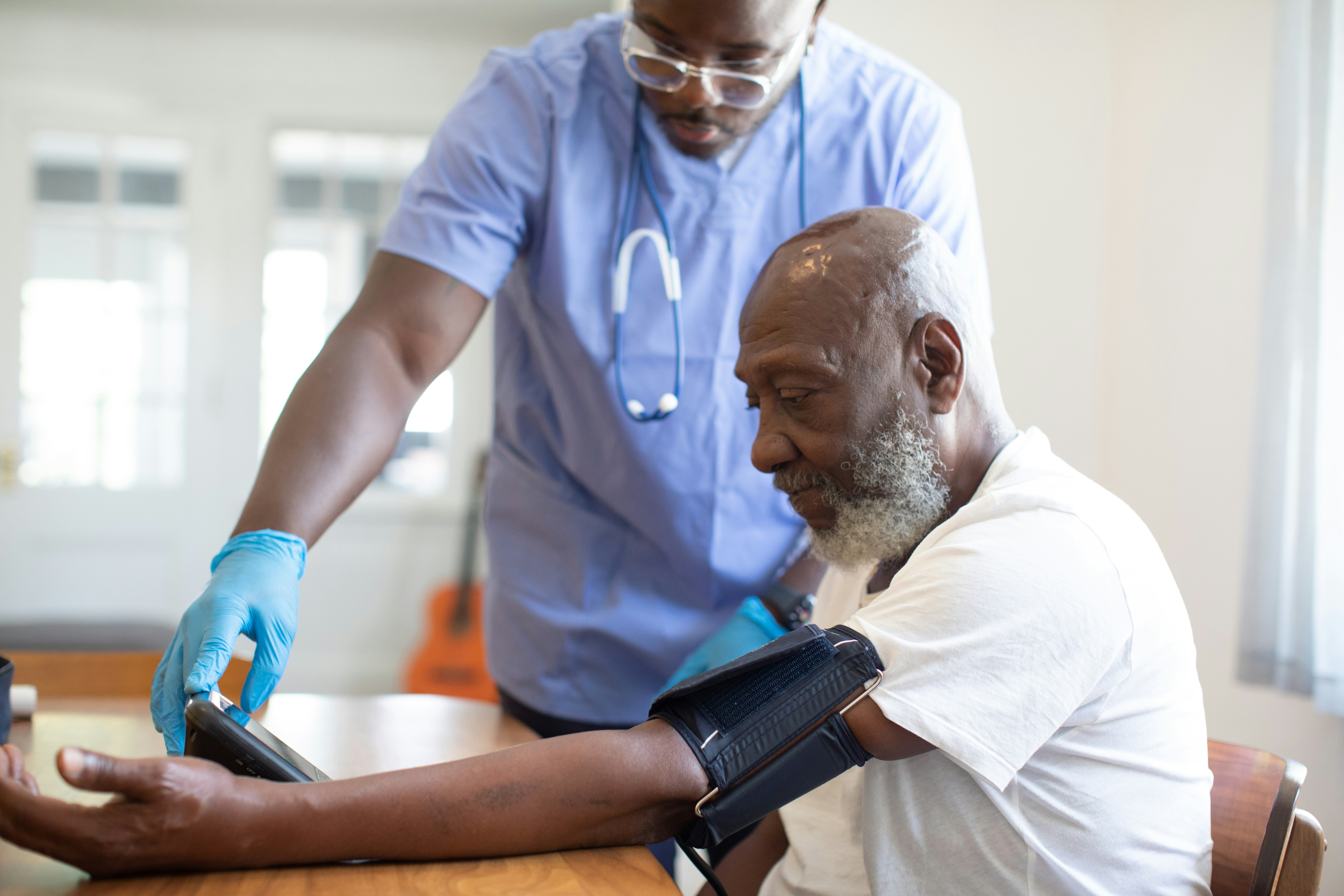
Understanding Blood Flow and its Role in Sexual Health
Blood flow plays a pivotal role in sexual health, acting as the foundation for sexual arousal and performance. Adequate circulation is essential for both men and women, as it facilitates the physiological processes required for sexual function. For men, this is particularly significant when considering erectile function, which is directly influenced by the volume of blood flowing into the penis. Effective blood flow allows for the engorgement of tissue, leading to an erection that is firm enough to support sexual activity.
The mechanics of how blood flow affects sexual performance involve the vascular system, which is responsible for delivering oxygen-rich blood to various parts of the body, including the genitals. In men, sexual stimulation triggers a response from the nervous system, releasing chemicals that cause the blood vessels to dilate, resulting in increased blood flow to the penis. This process, known as vasodilation, is critical for achieving and maintaining an erection.
In women, blood flow is similarly vital for sexual arousal. Enhanced circulation leads to increased sensitivity and lubrication of the vaginal tissues, which are essential for heightened pleasure during intercourse. The activation of the nervous system plays a role here as well, with the body responding to sexual stimuli by redirecting blood towards the pelvic area. This increase in blood flow enhances overall sexual experience and comfort.
Adequate blood circulation is also linked to overall cardiovascular health, reinforcing the notion that maintaining a healthy lifestyle can positively impact sexual performance. Regular exercise, a balanced diet, and avoiding harmful substances contribute to optimal blood flow, thus ensuring better sexual function for both men and women. Overall, understanding the intimate relationship between blood flow and sexual health is crucial in addressing issues related to sexual performance.
Factors that Influence Blood Circulation
Blood circulation is a critical aspect of overall health, especially when it comes to sexual performance. Several factors can influence blood circulation, notably lifestyle choices, medical conditions, and medications. Understanding these factors is essential for enhancing blood flow, which in turn can significantly impact sexual function.
Lifestyle choices play a substantial role in determining the quality of blood circulation. Regular physical exercise is one of the most effective ways to improve blood flow. Engaging in aerobic activities, such as walking, running, or swimming, promotes cardiovascular health and strengthens the heart, thereby improving circulation. Additionally, a balanced diet rich in antioxidants, healthy fats, and vitamins supports vascular health. Foods that are particularly beneficial include leafy greens, berries, and nuts. Conversely, habits like smoking and excessive alcohol consumption can lead to vasoconstriction, which impairs blood circulation and, consequently, sexual performance.
Medical conditions also significantly affect blood flow. For instance, diabetes can lead to nerve damage and blood vessel dysfunction, both of which can hinder circulation. Similarly, hypertension or high blood pressure can cause the arteries to narrow over time, reducing blood flow throughout the body. Treatment and management of these conditions are critical and should be discussed with a healthcare provider.
Furthermore, certain medications can impact blood circulation. Some medications prescribed for high blood pressure, anxiety, or depression may have side effects that compromise sexual function by affecting blood flow. If individuals suspect that their medications may be affecting their circulation, consulting with a healthcare provider is advisable. Addressing these factors holistically can optimize blood circulation and enhance sexual performance effectively.
Improving Blood Flow for Enhanced Sexual Performance
Effective blood flow is pivotal for sexual performance and overall sexual health. By adopting certain dietary habits, engaging in specific exercises, and making lifestyle changes, individuals can significantly improve their vascular health and, consequently, their sexual function.
To start with, a balanced diet rich in nutrients can play a crucial role in promoting better circulation. Consuming foods high in antioxidants, such as fruits and vegetables, can help in reducing oxidative stress on blood vessels. Additionally, incorporating foods that are rich in omega-3 fatty acids—like fatty fish, flaxseeds, and walnuts—can enhance vascular health by improving blood flow. Dark chocolate, because of its flavonoids, can also contribute to better circulation.
Exercise is another powerful tool for enhancing blood flow. Regular cardiovascular activities, such as running, cycling, or swimming, can strengthen the heart and improve circulation. Moreover, strength training and flexibility exercises, such as yoga, can help to enhance blood flow to various parts of the body. Specific exercises that target the pelvic region, like kegel exercises, can also significantly improve blood flow to the genital area, thereby enhancing sexual performance.
Lifestyle changes are equally important in this regard. Quitting smoking and limiting alcohol consumption can have a remarkable impact on circulation, as both substances are known to constrict blood vessels. Maintaining a healthy weight and reducing stress through meditation or mindfulness practices can further enhance blood flow. Additionally, certain supplements, such as L-Arginine and Ginkgo Biloba, are thought to support circulation and may provide additional benefits for sexual performance; however, it is advisable to consult with a healthcare professional before starting any supplement regimen.
By implementing these strategies, individuals can improve their blood circulation, which ultimately enhances their sexual performance and overall quality of life.
The Interplay of Blood Flow, Mental Health, and Sexual Performance
The intricate relationship between blood flow, mental health, and sexual performance cannot be underestimated. Psychological factors such as stress and anxiety can significantly impede blood circulation, leading to a range of sexual dysfunctions. When individuals experience elevated levels of anxiety or stress, the body enters a state of heightened arousal, which can result in increased muscle tension and decreased blood flow to the pelvic area. This can adversely affect sexual performance, reducing libido and making sexual arousal more challenging.
Moreover, mental well-being plays a crucial role in fostering a positive sexual experience. Individuals who maintain good mental health are often better equipped to manage physiological responses related to sexual activity. For instance, feelings of self-esteem and confidence can boost sexual performance, facilitating improved blood circulation that enhances sexual pleasure. Conversely, individuals grappling with mental health issues such as depression may find their sexual functions compromised due to both psychological and physical causes.
The mind-body connection is essential in understanding how mental health status can influence blood flow. Techniques that reduce stress, such as mindfulness meditation, yoga, or deep-breathing exercises, can help alleviate anxiety and improve overall mental well-being. These strategies not only contribute to mental health but also promote better blood circulation, thus enhancing sexual performance.
Incorporating regular physical activity is equally vital, as exercise improves cardiovascular health, which in turn ensures efficient blood flow. By actively working to manage stress levels and promote a healthy mental state, individuals can improve their sexual performance significantly. Recognizing the role of mental health in sexual functioning is crucial for achieving optimal sexual experiences.