
Understanding Test Kits: What They Are and How They Work
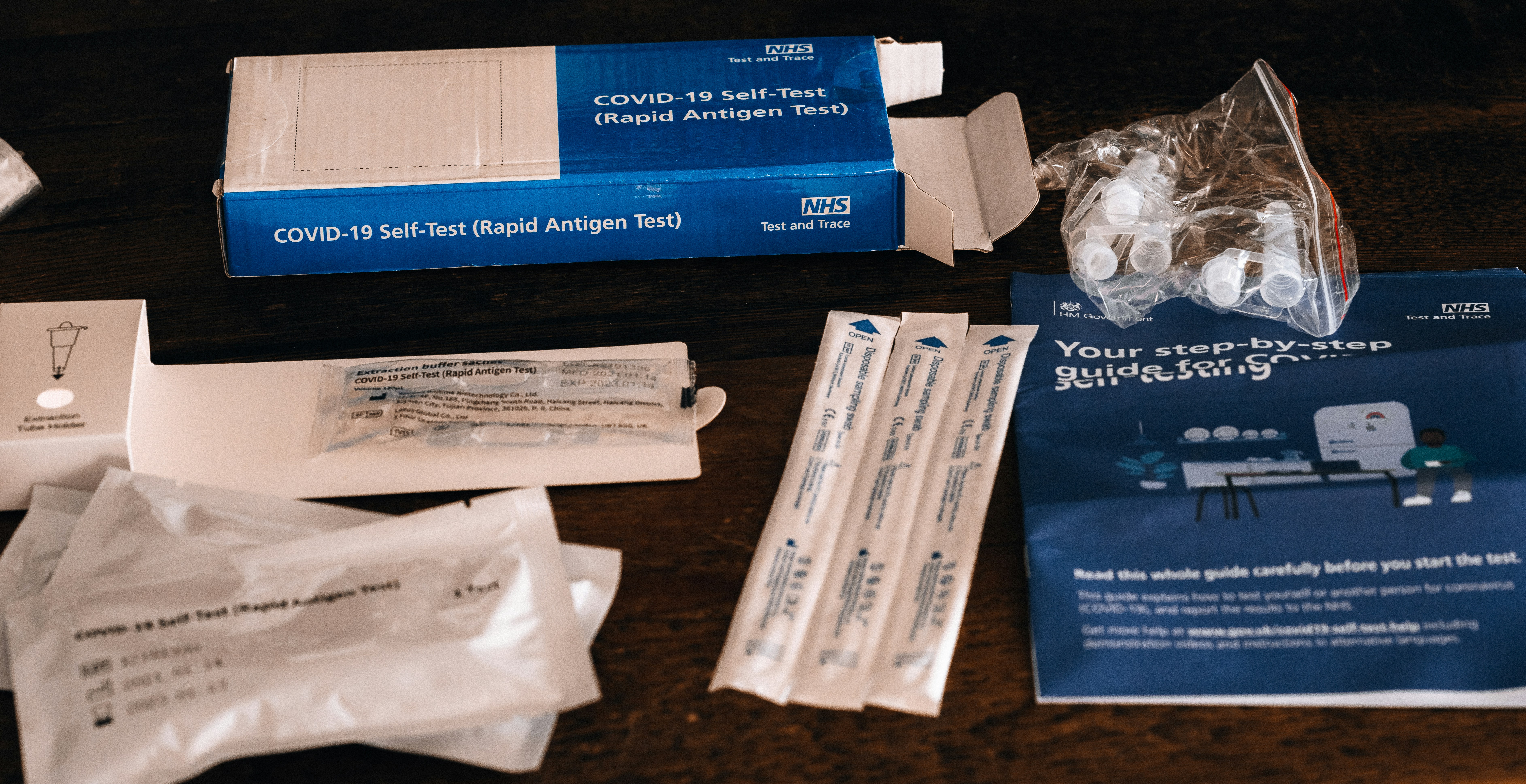
Test kits are essential tools that allow individuals to conduct various kinds of assessments in the comfort of their homes, laboratories, or specific environments. They are designed to analyze substances, diagnose health conditions, or evaluate environmental quality, providing crucial information that can aid in decision-making processes. The variety of test kits available caters to diverse needs, and understanding their functions is key to leveraging their benefits.
One of the most prevalent categories is health diagnostic test kits. These home test kits enable individuals to monitor their health conveniently. Common examples include glucose test strips for diabetes management and pregnancy tests aimed at early detection of pregnancy. These kits operate based on biochemical reactions; for instance, a glucose test kit measures glucose levels in the blood through specific chemical indicators, making it easy for people to manage their health proactively.
Moreover, environmental testing kits are crucial for assessing the quality of our surroundings. Water quality test kits can measure various pollutants or chemicals in drinking water, ensuring safety and compliance with health standards. Similarly, soil testing kits evaluate the nutrient levels and pH balance in gardening and farming, promoting healthier agricultural practices. They employ chemical reagents that react with soil or water samples, offering quantitative results that can guide corrective actions.
Additionally, DIY kits serve as educational and recreational tools. Hobbyists can use brewing kits to create home-made beverages, relying on precise measurements and fermentation processes to achieve desired results. These kits deliver step-by-step instructions, making complex activities accessible and enjoyable. Ultimately, understanding the workings behind these various test kits enhances their utility and importance in everyday life.
The Different Types of Test Kits Available in South Africa
In South Africa, a diverse range of test kits is available, catering to various needs across medical, nutritional, environmental, and educational sectors. Understanding these different categories enables consumers to choose the most appropriate test kits for their specific requirements.
Medical test kits are perhaps the most well-known category, especially highlighted during times of health crises. These kits are designed for diagnosing diseases or monitoring health conditions at home. Popular examples include rapid HIV tests, pregnancy tests, and glucose monitoring kits for diabetes patients. The convenience and privacy offered by such test kits make them invaluable to individuals seeking timely health information.
Nutritional test kits are another vital segment in the marketplace, focusing on assessing dietary needs and deficiencies. These kits typically analyze levels of vitamins and minerals, helping users understand their nutritional status. For instance, gluten intolerance tests allow individuals to identify potential dietary restrictions, aiding in the management of celiac disease or gluten sensitivities.
Environmental test kits serve a dual purpose: ensuring safety and promoting awareness. They are essential for testing water quality, soil contamination, and air pollution levels. Examples include home water testing kits that detect harmful bacteria or chemicals, offering peace of mind to families relying on private or unregulated water sources. These kits play a critical role in safeguarding public health and preserving environmental integrity.
Lastly, educational or scientific kits are tailored for schools, providing hands-on learning experiences related to biology, chemistry, and physics. Kits such as biology experiment sets or chemistry reaction kits encourage student engagement and foster a deeper understanding of scientific principles. They are particularly beneficial for educators seeking to enhance classroom learning with practical applications.
Overall, the availability of various test kits in South Africa demonstrates the commitment to health, safety, and education, empowering individuals with necessary information to make informed decisions.
Where to Buy Test Kits in South Africa: Online vs. Physical Stores
In South Africa, the availability of test kits for various purposes, including health assessments and environmental testing, has proliferated, prompting consumers to consider where to purchase these essential items. Both online and physical stores offer distinct advantages depending on the buyer’s needs and preferences.
Online shopping for test kits in South Africa has become increasingly popular due to its convenience. Numerous e-commerce platforms, such as Takealot, Loot, and Zando, provide a wide range of test kits that can be easily browsed from the comfort of one’s home. By shopping online, consumers can enjoy the benefits of price comparisons, comprehensive product descriptions, and customer reviews. Additionally, the availability of delivery to remote areas enhances accessibility, making it simpler for those living outside major urban centers. Delivery times and return policies should be considered when making a purchase to ensure a satisfactory experience.
Conversely, physical stores still play a crucial role in the purchasing process for test kits. Retail chains such as Clicks, Dischem, and Checkers offer a variety of health-related test kits and environmental testing solutions. These brick-and-mortar stores allow customers to physically inspect the product, consult with knowledgeable staff, and obtain their purchases immediately. Moreover, for individuals who prefer to have their queries addressed in person, physical shops offer a more personalized shopping experience.
Pricing is an essential factor when deciding where to buy test kits. Generally, online prices may vary based on promotions, while physical stores may offer loyalty discounts or in-store specials. Ultimately, the decision to buy online or at physical outlets will depend on individual preferences, convenience, and the specific type of test kit required.
The Future of Test Kits: Trends and Innovations in South Africa
The landscape of test kits in South Africa is undergoing significant transformation, driven primarily by advancements in technology and the evolving health awareness among the population. The increasing demand for at-home testing kits has gained momentum, particularly in light of public health emergencies and the need for accessible healthcare solutions. This shift is prompting both local and international companies to innovate and cater to an emerging market focused on convenience and efficiency.
One of the most notable trends is the embrace of digital innovation, where test kits are becoming more sophisticated through the integration of mobile applications and online platforms. These enhancements not only streamline the testing process but also facilitate immediate access to results, which is increasingly appealing to consumers. Additionally, technological advancements have led to the development of more accurate and rapid test kits, making them a viable option for diagnosing various conditions, from infectious diseases to chronic illnesses.
Furthermore, the impact of health regulations cannot be overlooked. South Africa’s regulatory environment is evolving, encouraging the introduction of innovative test kits that adhere to international safety and efficacy standards. This progression underscores the commitment to improving public health outcomes, with regulatory bodies actively ensuring that the latest innovations meet stringent guidelines.
Local companies are also playing an integral role in shaping the future of test kits. By investing in research and development, these businesses are not only contributing to the economy but are also striving to produce test kits that address specific health concerns prevalent in the region. As consumer behavior continues to shift toward self-testing and increased health consciousness, the market for test kits in South Africa is expected to expand further.
In conclusion, the future of test kits in South Africa is poised to be transformative, characterized by technological advancements, regulatory support, and a proactive approach from local companies. By closely monitoring these trends, stakeholders can better understand the evolving landscape and capitalize on the opportunities it presents to meet the growing demand for effective testing solutions.