
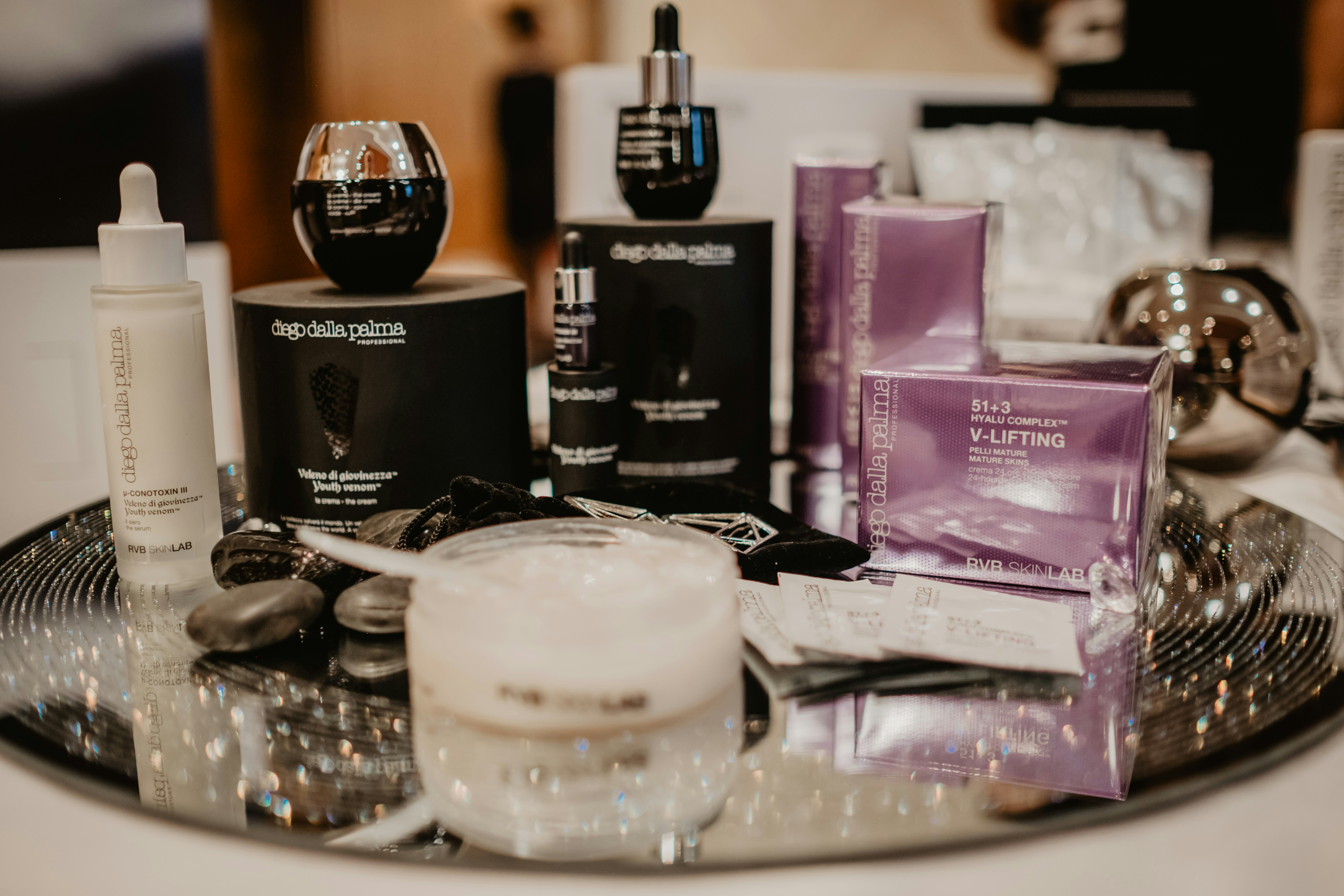
Introduction to Skincare Products
Skincare products play a crucial role in maintaining and enhancing the overall health of the skin. With an extensive variety of products available on the market, understanding their purpose is essential for anyone looking to establish an effective skincare routine. Skincare products can be categorized into several key types, each serving a specific function in skin care.
Firstly, cleansers are foundational in any skincare regimen. They are designed to remove dirt, oil, and impurities from the skin’s surface, helping to unclog pores and prevent breakouts. Proper cleansing is essential for preparing the skin to absorb other treatments effectively and ensuring that the skin retains its natural balance.
Another important category is moisturizers, which are used to hydrate and nourish the skin. These products are formulated to prevent moisture loss, supporting the skin’s barrier function. A good moisturizer can help to address various skin concerns, such as dryness, flakiness, and even signs of aging. It is recommended to select a moisturizer suited to one’s skin type, whether oily, dry, or combination.
Serums and treatments are also critical components in a skincare regimen. Serums are lightweight formulations that contain concentrated active ingredients targeting specific skin issues, such as dark spots, wrinkles, or dullness. Treatments, on the other hand, may include spot treatments for acne or masks designed for deep nourishment or exfoliation. Both serums and treatments allow for customization of the skincare routine according to individual needs.
In conclusion, understanding the various types of skincare products, from cleansers to serums, is key to achieving healthy skin. Incorporating the right products can lead to significant improvements in skin quality and overall appearance, making a well-structured skincare routine indispensable for personal care.
Understanding Skin Types
Understanding your skin type is fundamental in developing an effective skincare routine. Skin types are primarily categorized into four main categories: oily, dry, combination, and sensitive. Each type possesses unique characteristics and requires specific products to address its needs.
Oily skin is characterized by an excess production of sebum, which can lead to a shiny appearance and may contribute to acne formation. Individuals with oily skin should consider using lightweight, non-comedogenic products, such as gel-based moisturizers and oil-free cleansers to help control shine and minimize breakouts. Ingredients like salicylic acid and tea tree oil can also be beneficial for treating blemishes.
Dry skin, on the other hand, often feels tight or rough and may exhibit flakiness. This skin type lacks moisture, necessitating the need for richer, nourishing products. Cream-based cleansers, heavy moisturizers containing hyaluronic acid or glycerin, as well as occlusive agents like petrolatum, can help to lock in hydration and restore the skin barrier.
Combination skin exhibits traits of both oily and dry skin, often with an oily T-zone and dry cheeks. For this skin type, balancing products are key. A gentle exfoliating cleanser can help manage oil production without over-drying the skin. Incorporating lightweight serums alongside richer creams can provide the necessary hydration without exacerbating oiliness.
Lastly, sensitive skin is prone to irritation and can react negatively to various skincare products. Individuals with this skin type should opt for fragrance-free, hypoallergenic products, and soothing ingredients like aloe vera or chamomile. It’s essential to conduct patch tests when trying new products to avoid adverse reactions.
By identifying your skin type and selecting tailored products, you can significantly enhance the effectiveness of your skincare routine, leading to healthier, more radiant skin.
Top Ingredients to Look For
In the ever-evolving world of skincare, selecting products with effective ingredients is crucial for achieving desired results. Among the prominent ingredients, hyaluronic acid, retinol, Vitamin C, and niacinamide stand out for their proven benefits.
Hyaluronic Acid is a powerful humectant, meaning it draws moisture to the skin. This ingredient is particularly beneficial for individuals with dry or dehydrated skin, as it helps improve skin elasticity and suppleness. It is suitable for all skin types, including sensitive skin, because it is gentle and does not irritate.
Retinol, a derivative of Vitamin A, is renowned for its anti-aging properties. It promotes cell turnover, which helps reduce fine lines, wrinkles, and the appearance of dark spots. Retinol is most effective for people with mature or oily skin types, but it is essential to start with lower concentrations to build tolerance, as it can sometimes cause irritation.
Vitamin C is another formidable ingredient, known for its antioxidant properties. It helps protect the skin from environmental damage and brightens the complexion, making it valuable for those looking to address dullness or uneven skin tone. Vitamin C works well for normal to oily skin types, although those with sensitive skin should opt for formulations specifically designed for their needs.
Finally, Niacinamide, or Vitamin B3, offers multiple benefits, including regulating oil production, improving the skin barrier, and providing anti-inflammatory effects. It is suitable for all skin types, particularly beneficial for those with acne-prone or sensitive skin, as it helps soothe irritation and redness.
In summary, understanding the key ingredients in skincare products can empower individuals to make informed choices tailored to their specific skin concerns and types. By selecting products enriched with these powerful ingredients, users can significantly enhance their skincare routines.
Popular Skincare Brands to Consider
When it comes to selecting the right skincare products, the brand can significantly impact customer satisfaction and effectiveness. Below are some of the most reputable skincare brands available today, each with a distinct philosophy and a renowned product range.
1. Neutrogena: Known for its dermatologist-recommended formulas, Neutrogena emphasizes effective skincare solutions accessible to all. Their lines cater to various skin types, with popular products like the Hydro Boost Gel Cream, which provides intense hydration, highly sought after.
2. La Roche-Posay: This French brand specializes in sensitive skin care, using thermal spring water in its formulations. La Roche-Posay is famed for its Anthelios sunscreen and Toleriane line, which are designed to soothe and protect delicate skin.
3. CeraVe: CeraVe focuses on barrier restoration and long-lasting hydration. Their products contain essential ceramides and are free from fragrances, making them ideal for sensitive skin. The CeraVe Moisturizing Cream has gained a cult following for its effectiveness and affordability.
4. Paula’s Choice: Founded by skincare expert Paula Begoun, this brand emphasizes science-backed products free from irritants. The Skin Perfecting 2% BHA Liquid Exfoliant is a standout product known for its ability to improve skin texture and minimize pores.
5. The Ordinary: This brand revolutionized the skincare market with its straightforward approach and affordability. The Ordinary’s product line includes potent ingredients like retinoids and acids, allowing customers to customize their routines effectively.
Exploring these brands can help consumers make informed choices when selecting skincare products, ensuring that they find reliable solutions tailored to their individual skin needs.
Seasonal Skincare Products
The needs of your skin can fluctuate significantly with the changing seasons, influenced by various environmental factors such as temperature, humidity, and UV exposure. During the warmer months of summer, skin may contend with increased sweat production and sun exposure, necessitating products that help manage oil and provide adequate sun protection. On the other hand, winter brings about colder temperatures and lower humidity, often leading to dryness and sensitivity, thereby requiring richer and more hydrating formulations.
For summer, lightweight moisturizers containing hyaluronic acid can be particularly effective, as they offer hydration without feeling heavy on the skin. Additionally, incorporating a broad-spectrum sunscreen with a high SPF is crucial to protect against harmful UV rays that can cause premature skin aging and sunburn. Gel-based cleansers can also be beneficial during this period, as they help to thoroughly cleanse without stripping the skin of necessary moisture.
As the seasons shift to winter, the focus should shift toward more emollient products. Cream-based moisturizers enriched with ingredients like shea butter or jojoba oil can provide the necessary moisture barrier to combat dryness. Consider using a thicker, occlusive formula overnight to lock in moisture while you sleep. Furthermore, a hydrating serum or facial oil can be an excellent addition to morning and nighttime routines, ensuring that skin remains supple and nourished despite harsh weather conditions.
Ultimately, adapting your skincare routine in alignment with seasonal changes is essential for maintaining optimal skin health throughout the year. By selecting appropriate skincare products tailored to the season, you can address the unique needs of your skin, ensuring it remains balanced and radiant regardless of the environmental challenges it may face.
Tips for Buying Skincare Products
When it comes to purchasing skincare products, making informed decisions can greatly enhance your skincare regimen and ensure the health of your skin. One crucial step in shopping wisely is to read the labels carefully. The product label provides vital information regarding the formulation, including concentrations of active ingredients, which can help you determine the efficacy of the product. Pay attention to terms like “fragrance-free” or “non-comedogenic,” which can indicate better compatibility with sensitive or acne-prone skin types.
Understanding ingredient lists is also essential. Ingredients are typically listed in order of concentration, thus highlighting the primary components of the formulation. Familiarize yourself with a few key ingredients that are known for their benefits, such as hyaluronic acid for hydration or salicylic acid for acne treatment. Additionally, be cautious of products containing ingredients that may irritate your skin, such as artificial colors or alcohols.
Checking product safety is another critical consideration during your shopping experience. Researching the brand can provide insights into its reputation and commitment to safe formulations. Regulatory bodies often publish lists of safe and unsafe ingredients, which can be useful for consumers. Furthermore, reading reviews and user testimonials can give you real-world perspectives on product performance and any potential side effects.
Lastly, consider the advantages of sampling products before making larger purchases. Many cosmetics stores offer testers or sample sizes, allowing you to assess how your skin reacts to a product. This can be especially beneficial when trying new formulations or brands. Utilizing samples can minimize the likelihood of dissatisfaction or adverse reactions after committing to a full-size item.
Budget-Friendly Skincare Options
In today’s market, maintaining an effective skincare routine does not necessarily require a high expenditure. Several budget-friendly skincare brands offer products that have garnered praise for their efficacy and quality, allowing individuals to care for their skin without stretching their financial limits. These brands focus on formulating effective ingredients while being accessible to the everyday consumer.
One popular brand deserving of mention is CeraVe, which is recognized for its commitment to skin health while remaining affordable. Their Moisturizing Cream and Hydrating Cleanser are particularly well-reviewed. Formulated with ceramides and hyaluronic acid, these products help restore and maintain the skin’s natural barrier, making them ideal for various skin types.
Another notable mention is The Ordinary, known for its transparent pricing and ingredient-focused approach. Products like the Niacinamide 10% + Zinc 1% serum are lauded for their effectiveness in improving skin texture and regulating oil production, without imposing heavy costs on consumers.
Neutrogena is also a staple in the realm of affordable skincare. The Oil-Free Acne Wash can be particularly beneficial for those struggling with acne-prone skin. It contains salicylic acid that works effectively to clear breakouts and prevent new ones from forming, all while remaining budget-conscious.
For those looking for natural options, e.l.f. Skincare harnesses ingredients like aloe vera and jojoba oil in their products at very reasonable prices. Their Soothing Cleansing Balm stands out for effectively removing makeup and impurities without disrupting the skin’s moisture.
In conclusion, a wide range of budget-friendly skincare products exists that help consumers maintain their routines economically. Brands like CeraVe, The Ordinary, Neutrogena, and e.l.f. offer effective solutions that do not compromise on quality or results. Careful selection can empower individuals to nurture their skin healthily and affordably.
Luxury Skincare Products Worth the Investment
In the world of skincare, luxury products often come with a hefty price tag, yet many consumers are willing to invest in them for the promise of quality and results. High-end brands often incorporate innovative ingredients and advanced formulations that may not be present in more affordable options. This section explores several luxury skincare products that are worth considering for those looking to elevate their skincare routine.
First on the list is La Mer’s Crème de la Mer, a legendary moisturizer known for its rich texture and healing properties. Infused with the brand’s signature Miracle Broth, this cream aims to hydrate and rejuvenate dry skin, making it a popular choice among skincare aficionados. Users often report noticeable improvements in skin texture and overall radiance.
Another celebrated product is SK-II’s Facial Treatment Essence, revered for its unique Pitera ingredient, which is derived from yeast fermentation. This essence is designed to enhance skin clarity and reduce the appearance of fine lines, promoting a youthful complexion. Many swear by its transformative effects, contributing to its status as a high-end staple.
The Dr. Barbara Sturm Hyaluronic Serum also deserves a mention as it combines high-quality hyaluronic acid with other potent ingredients to deliver intense hydration. Suitable for all skin types, this serum not only plumps the skin but also helps maintain moisture levels, making it another worthy investment.
For those seeking anti-aging solutions, consider Guerlain’s Abeille Royale Youth Watery Oil. This product melds the benefits of an oil and serum, empowering the skin’s natural recovery process and improving elasticity. Users appreciate its lightweight feel while reaping the benefits of a rejuvenated skin appearance.
Incorporating luxury skincare products into one’s routine can offer substantial benefits, from enhanced hydration to improved texture and a youthful glow. For individuals who can afford such splurges, the investment could yield pleasing results that significantly elevate their daily skincare regimen.
Conclusion and Final Thoughts
As we conclude this comprehensive exploration of skincare products, it’s essential to reflect on the myriad options available to consumers today. The skincare market is expansive, offering a wide variety of products designed to address various skin concerns, such as hydration, aging, acne, and sensitivity. Throughout this guide, we have highlighted the importance of understanding your own skin type and the specific needs that accompany it. Individuality plays a paramount role in skincare; what works for one person may not necessarily yield the same results for another.
The various categories of skincare products — cleansers, moisturizers, serums, and treatments — each serve unique functions. By familiarizing yourself with these types, you can make informed decisions about which products to incorporate into your routine. Additionally, we have discussed the significance of reading product labels, researching ingredients, and considering factors such as formulation types and potential irritants.
Exploring different skincare products can be both an exciting and daunting journey. It invites a sense of experimentation while also necessitating mindfulness and perseverance. Tailoring your regimen to suit your unique skin requirements will ultimately lead to finding what truly works for you. Thus, we encourage readers to venture beyond the mainstream recommendations and test various products, keeping in mind that trial and error can be an integral part of discovering an effective skincare routine.
In summary, the path to achieving healthy, radiant skin is deeply personal and requires patience. By engaging with this wealth of knowledge about skincare products and understanding your skin’s distinct characteristics, you are better equipped to select the items that will help you realize your skincare goals. Embrace your skincare journey, listen to your skin, and remember that the ideal products are out there waiting to be explored.