
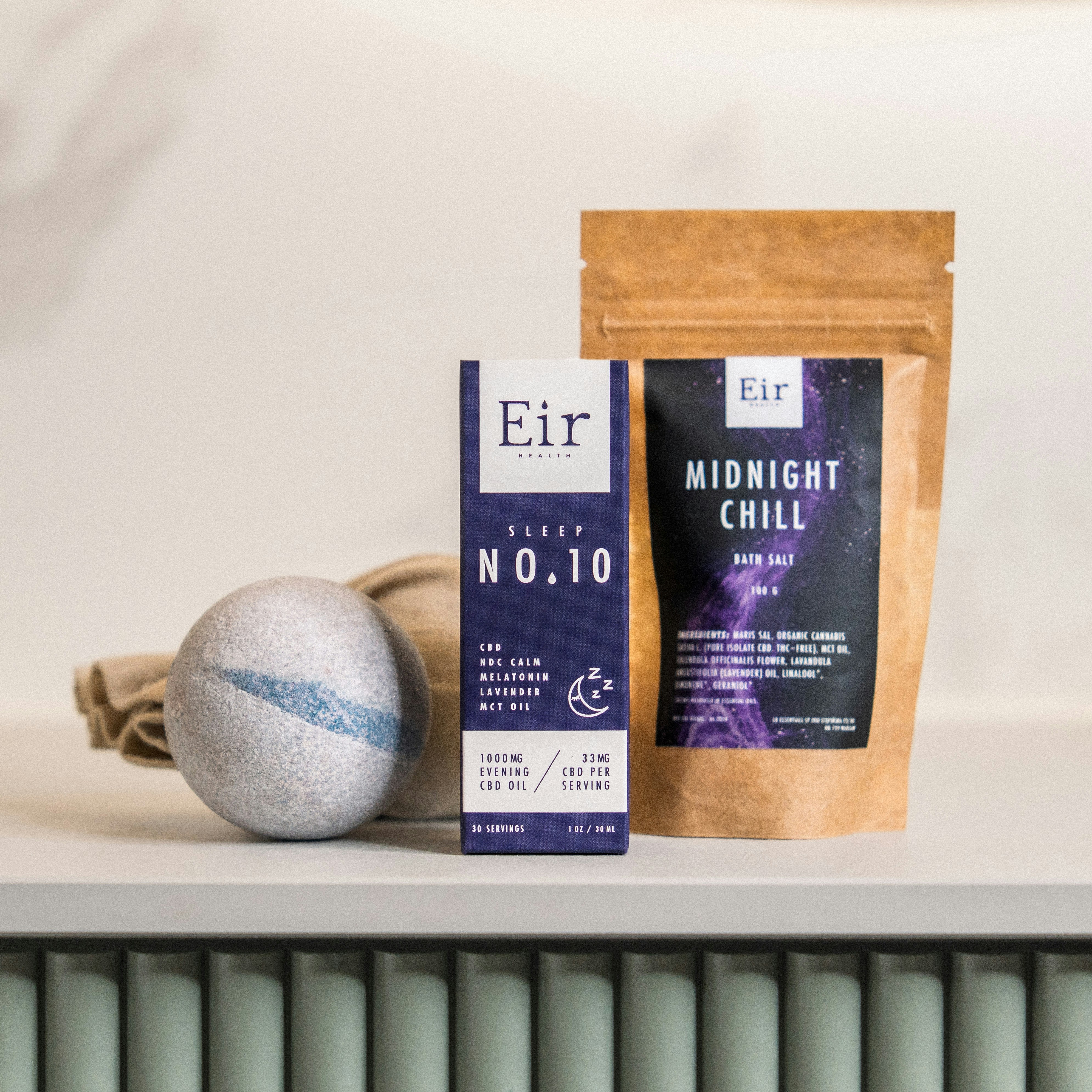
Introduction to Personal Wellness Supplements
Personal wellness supplements have gained significant traction in the health industry, reflecting a broader societal shift towards proactive health management. These dietary additions are designed to enhance overall well-being and support various aspects of health, including physical, mental, and emotional dimensions. As individuals increasingly prioritize self-care, the market for wellness supplements has expanded considerably, offering a diverse array of products that cater to numerous health needs and lifestyle preferences.
The appeal of personal wellness supplements lies in their potential to complement a balanced diet and address specific nutritional gaps. For instance, vitamins, minerals, amino acids, and herbal extracts are frequently found in these supplements, each providing unique health benefits. Many consumers view these supplements as a means to enhance energy levels, bolster the immune system, promote cognitive function, and support overall vitality. This growing appreciation for the role that wellness supplements can play in the quest for optimal health is evident in both consumer behavior and market trends.
Moreover, the accessibility of information has empowered individuals to make informed choices about their health regimens. Increased awareness regarding the importance of nutrition has led many to explore the potential of personal wellness supplements as part of a holistic approach to health management. Whether one is seeking to improve athletic performance, reduce stress, aid digestion, or achieve better sleep, the options available are vast and varied. As such, personal wellness supplements are not only becoming commonplace within a health-conscious lifestyle but are also evolving into a cornerstone of preventive health strategies.
Types of Personal Wellness Supplements
Personal wellness supplements encompass a broad category of products designed to support health and optimize various bodily functions. The primary types include vitamins, minerals, herbal products, probiotics, and omega-3 oils, each serving unique purposes.
Vitamins are organic compounds essential for various bodily functions. They contribute to immune function, energy production, and skin health. Important examples include Vitamin C, known for its role in immune support, and Vitamin D, which helps with calcium absorption and bone health.
Minerals, unlike vitamins, are inorganic elements necessary for life. They play critical roles in processes such as muscle contraction and hydration. Common minerals include magnesium, crucial for muscle and nerve function, and zinc, which supports immune function and wound healing.
Herbal products derive from plants and have been used in traditional medicine for centuries. Examples include ginseng, which is believed to enhance energy levels, and turmeric, known for its anti-inflammatory properties. These supplements can be valuable in promoting overall wellness and supporting specific health goals.
Probiotics are live microorganisms that confer health benefits when consumed in adequate amounts. They are primarily known for supporting gut health and boosting the immune system. Products containing Lactobacillus and Bifidobacterium strains are typically associated with various health benefits.
Omega-3 oils are a type of fatty acid found in fish oil and certain plant oils. These supplements are celebrated for their heart health benefits and support of brain function. Common sources include fish oil capsules and algae oil, both of which help balance inflammatory processes in the body.
Each category of personal wellness supplements serves distinct purposes and can contribute to individual wellness strategies. By understanding the types available, consumers can make informed decisions about their health supplement regimens.
Benefits of Personal Wellness Supplements
Incorporating personal wellness supplements into daily routines can provide a variety of health advantages that contribute to improved overall well-being. One of the primary benefits is enhanced immune support. Many supplements, such as vitamin C, vitamin D, and zinc, are well-known for their immune-boosting properties. Regular intake of these nutrients may help individuals better resist infections and maintain optimal health, particularly during flu seasons or periods of high stress.
Another significant benefit of personal wellness supplements is the improvement of energy levels. Supplements like B vitamins, Coenzyme Q10, and iron play crucial roles in energy metabolism. Individuals who find themselves frequently fatigued or lacking energy may benefit from including these supplements in their regimen, potentially leading to increased productivity and overall vitality.
Mental clarity and cognitive function are also areas where wellness supplements can play a vital role. Ingredients such as omega-3 fatty acids, ginkgo biloba, and L-theanine have been studied for their potential benefits in enhancing focus, memory, and cognitive performance. For individuals facing mental fatigue or concentration challenges, these supplements may provide the needed support for improved mental clarity and performance.
Furthermore, personal wellness supplements contribute significantly to overall physical health. Nutritional deficiencies can lead to a variety of health issues, and supplements can help fill those gaps, ensuring individuals receive adequate nutrition. By promoting better health, they can assist in maintaining a balanced body weight, improving digestive health, and supporting cardiovascular functions.
Overall, the incorporation of personal wellness supplements into one’s daily routine can offer immune support, boost energy levels, enhance mental clarity, and promote physical health, making them a valuable addition for anyone looking to optimize their wellness journey.
How to Choose the Right Supplements
Choosing the right personal wellness supplements requires careful consideration of individual health needs, dietary restrictions, and lifestyle choices. This process is paramount in ensuring that the supplements you select are beneficial and safe. Start by evaluating your specific health goals. Are you looking to boost your energy, improve your immune system, or manage stress? Identifying your primary objectives will help narrow your options.
Next, assess any dietary restrictions you may have. For instance, if you are vegetarian or vegan, you will want to seek supplements that are free from animal products. It is equally important to check for allergens; many supplements contain common allergens such as gluten, soy, or dairy. Additionally, understanding the various forms of the supplements—whether they are capsules, powders, or liquids—can also influence your choice, depending on personal preferences and ease of ingestion.
Reading labels is essential in selecting quality supplements. Pay attention to the ingredient list, ensuring that it contains what is necessary without unnecessary fillers or artificial additives. Additionally, understanding dosages is critical. Follow the recommended serving sizes on the label, but consider consulting with a healthcare professional to tailor these numbers to your individual needs.
Recognizing quality brands can also enhance the effectiveness of your supplement regimen. Look for companies that provide transparency by sharing third-party testing results and those that adhere to Good Manufacturing Practices (GMP). Reading reviews and seeking recommendations from trusted sources can further guide you toward reputable brands.
In conclusion, selecting the appropriate personal wellness supplements involves a comprehensive assessment of your needs, dietary considerations, and an understanding of product quality. By taking these factors into account, you can make well-informed decisions that promote your overall health and wellbeing.
Safety and Potential Risks
When considering the use of personal wellness supplements, safety should be a primary concern. While these products can provide health benefits, they can also pose risks, especially if not used correctly. One of the major issues with supplements is their potential side effects. Some individuals may experience adverse reactions, ranging from mild digestive disturbances to more severe complications depending on the type of supplement. For instance, high doses of certain vitamins can lead to toxicity, while herbal supplements can interfere with natural bodily functions.
Another critical aspect is the possibility of interactions with medications. Many supplements may interact negatively with prescription drugs, leading to reduced efficacy or increased side effects. For example, St. John’s Wort, known for its use in treating mild depression, can significantly reduce the effectiveness of various medications, including birth control pills and anticoagulants. Consulting with healthcare professionals is therefore essential before initiating any supplementation regimen, particularly for individuals who are already managing medical conditions or taking other medications.
Furthermore, the supplement industry is not as heavily regulated as pharmaceuticals, which can lead to variations in product quality and potency. As a result, consumers may not always know what they are effectively taking or whether they are receiving a safe product. This uncertainty reinforces the need to seek professional guidance. Healthcare providers can help evaluate personal health needs, suggest appropriate supplements, and monitor their effects, ensuring a safe and effective approach to personal wellness.
In summary, while wellness supplements can be beneficial, it is paramount to prioritize safety by being aware of potential side effects and medication interactions. Consulting healthcare professionals not only provides personalized advice but also helps ensure that supplementation is both safe and effective.
Incorporating Supplements into a Healthy Lifestyle
Incorporating wellness supplements into a daily routine can be a valuable addition to a healthy lifestyle. First and foremost, it is essential to recognize that supplements should complement, not replace, a balanced diet. Whole foods are still the primary source of nutrients, including vitamins, minerals, and other essential compounds that support overall well-being. Therefore, when integrating wellness supplements, it is advisable to focus on enhancing dietary habits. This could involve taking multivitamins or specific supplements such as omega-3 fatty acids alongside nutrient-rich meals.
Moreover, maintaining a regular exercise regimen works synergistically with the use of supplements. Physical activity not only boosts overall health but also enhances the absorption and effectiveness of these supplements. For instance, combining a pre-workout supplement with a structured workout plan can help maximize energy levels and improve performance. Conversely, post-workout protein supplements can aid in recovery and muscle repair. Thus, it is beneficial to structure supplementation around exercise schedules to optimize their effects.
Mental well-being is equally important in a holistic approach to health. Including supplements such as adaptogens or herbal remedies may contribute positively to stress management and mental clarity. Engaging in mindfulness practices, such as meditation or yoga, can further enhance the positive effects of these supplements. By establishing a routine that prioritizes both physical and mental health, individuals can cultivate resilience and balance in their lives.
To fully realize the benefits of personal wellness supplements, individuals should consider their unique health needs and consult healthcare providers when necessary. Personalizing supplement choices based on specific goals or deficiencies ensures that they fit seamlessly into one’s lifestyle. With the right approach, wellness supplements can play a crucial role in achieving a healthier and more balanced life.
Natural Alternatives to Supplements
With a growing emphasis on health and wellness, individuals increasingly seek solutions that support their physical, mental, and emotional well-being. While supplements have garnered significant attention as a method to achieve wellness, there are numerous natural alternatives that can effectively promote health. These alternatives often encompass holistic practices, lifestyle adjustments, and dietary modifications that can diminish the requirement for synthetic supplementation.
One of the most effective natural approaches involves adopting a balanced diet rich in whole foods. Consuming a variety of fruits, vegetables, whole grains, lean proteins, and healthy fats provides essential vitamins and minerals required for optimal health. Superfoods, such as berries, leafy greens, and fatty fish, are particularly beneficial due to their dense nutrient profiles. By prioritizing a diverse and nutrient-rich diet, individuals can support their immune systems and overall health without the need for additional supplements.
Incorporating regular physical activity into one’s routine is another fundamental aspect that promotes wellness naturally. Exercise has been proven to boost mood, improve cardiovascular health, and enhance metabolic function. Activities such as yoga and tai chi not only strengthen the body but also encourage mindfulness and stress reduction, further contributing to emotional well-being.
Moreover, engaging in holistic practices such as meditation and deep-breathing exercises can significantly reduce stress levels and improve mental clarity. These practices promote mindfulness, allowing individuals to connect with their inner selves and foster emotional resilience. Ensuring adequate sleep and establishing a consistent sleep routine are also crucial components of a healthy lifestyle that can influence overall wellness.
Ultimately, embracing these natural alternatives can help individuals achieve and maintain their desired health outcomes. By making intentional lifestyle changes and prioritizing holistic practices, there exists the possibility of reducing dependency on supplements, leading to enhanced well-being and balanced living.
Testimonials and Success Stories
Personal wellness supplements have gained significant attention in recent years, and many individuals have embraced them as part of their health and wellness routines. Their experiences highlight the value of incorporating these supplements into daily life, illustrating their diverse benefits on overall well-being.
One notable testimonial comes from Sarah, a 35-year-old educator who struggled with fatigue and stress due to her demanding job. After integrating a comprehensive multivitamin and adaptogenic herbs into her daily routine, Sarah reported a remarkable improvement in her energy levels and a noticeable reduction in stress-related symptoms. She stated, “In just a few weeks, I felt more energized and focused, allowing me to be more present in both my professional and personal life.”
Similarly, Mark, a 42-year-old fitness enthusiast, shared his success with omega-3 fatty acids and protein supplements. He noticed that after consistently using these supplements, his recovery time post-exercise decreased significantly. “I’ve been working out for years, but adding these wellness supplements helped me feel stronger and recover faster, enhancing my performance overall,” Mark explained. His story serves as a testament to the positive effects of targeted supplementation on physical health.
Additionally, Emily, a recent college graduate, discussed her experience with probiotics to manage digestive issues. After diligent use over a month, she observed a substantial improvement in her gut health, stating, “I wish I had started taking probiotics sooner; it has made a world of difference in my day-to-day comfort and overall wellness.”These testimonials reflect a growing recognition of personal wellness supplements as valuable tools for enhancing health. Their individual stories emphasize the importance of tailored supplementation and its potential positive impact on various aspects of well-being.
Conclusion and Future of Personal Wellness Supplements
In recent years, personal wellness supplements have gained significant traction, with an increasing number of individuals recognizing their potential benefits. Throughout this guide, we have discussed various aspects of wellness supplements, including their role in supporting physical and mental health, the importance of selecting quality products, and the growing trends shaping this industry. As consumers become more health-conscious, the demand for supplements tailored to specific needs continues to rise, driving innovation in the sector.
Future trends in personal wellness supplements are likely to be influenced by ongoing research and advances in nutritional science. This may lead to the development of more sophisticated formulations that cater to individual health concerns, moving beyond general wellness towards more personalized approaches. Customization, where supplements are tailored to individuals based on genetic, lifestyle, or health data, is an emerging field that holds promise for delivering targeted results.
Moreover, the shift towards natural, plant-based ingredients is expected to continue, aligning consumer preferences with sustainability and holistic health practices. Supplements derived from adaptogens, nootropics, and other botanicals are becoming increasingly popular as consumers seek natural alternatives to support their well-being.
The incorporation of technology, such as mobile health applications and telehealth services, also plays a critical role in shaping the future of personal wellness supplements. These tools can provide personalized recommendations and monitoring, facilitating a more interactive approach to health management.
Ultimately, as personal wellness supplements evolve, they will play an integral role in the broader wellness movement. By staying informed about the latest research, innovations, and consumer trends, individuals can make educated choices that positively impact their health. The future of personal wellness supplements is bright, promising to enhance quality of life through informed dietary choices and personalized health strategies.