
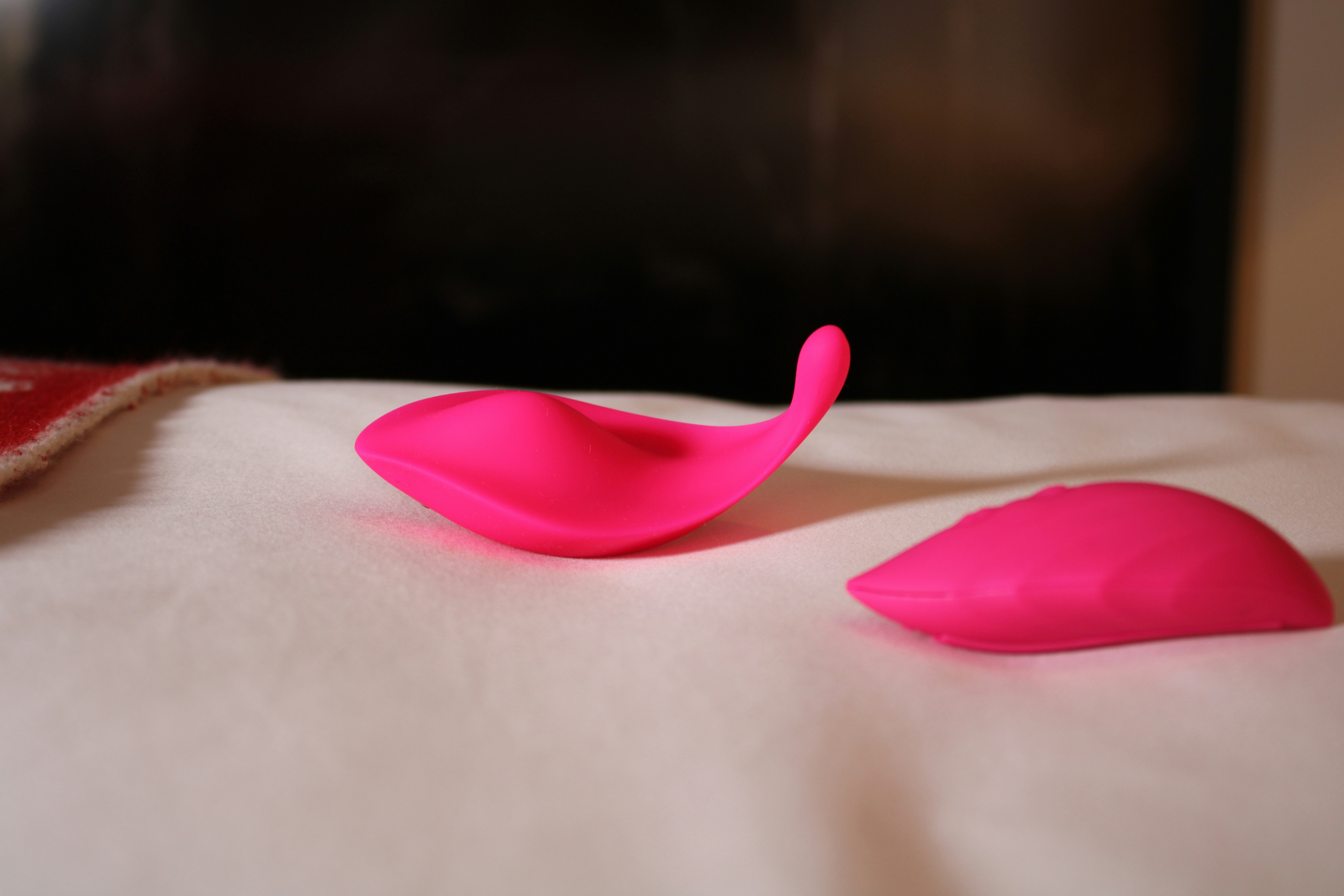
Introduction to Body-Safe Materials
In the realm of personal wellness devices, the selection of body-safe materials is paramount, playing a critical role in promoting user health and safety. Body-safe materials refer to substances specifically designed and tested to be non-toxic and free from harmful chemicals that could negatively impact human health. The significance of these materials lies not only in their chemical composition but also in their performance and compatibility with the human body.
Given the intimate nature of personal wellness devices, users must prioritize materials that pose minimal risk of irritation or allergic reactions. Body-safe materials are typically biocompatible, meaning they are not only safe for skin contact but also supportive of the body’s natural processes. Common examples include silicone, glass, and stainless steel, each offering unique benefits that enhance the user experience while minimizing potential health hazards.
Moreover, the manufacturing processes involved play a significant role in the overall safety of these materials. For instance, high-quality silicone undergoes extensive testing to ensure that it is devoid of harmful additives like phthalates or parabens, ensuring users remain safe throughout their wellness journey. In contrast, many cheaper alternatives made from plastics or unidentified composites may leach toxins, potentially leading to adverse health outcomes.
Ultimately, understanding body-safe materials is essential for consumers making informed choices about the personal wellness devices they use. By opting for products made from certified body-safe materials, users can enjoy the benefits of their devices while protecting their health. Advocating for the use of these materials not only promotes personal wellness but also encourages manufacturers to prioritize safety in their designs.
Understanding Silicone as a Personal Wellness Material
Silicone has emerged as a prominent material used in personal wellness devices, largely due to its unique properties that distinguish it from other materials. As a synthetic polymer, silicone displays an impressive balance of flexibility and sturdiness, making it an ideal choice for a range of applications, especially those involving direct contact with the body.
One of the most remarkable attributes of silicone is its non-porous nature. Unlike porous materials, which can harbor bacteria and other harmful microorganisms, silicone does not allow these contaminants to penetrate its surface. This property is particularly crucial when it comes to personal wellness devices, as it aids in maintaining hygiene and ensures that the material remains safe for prolonged contact. Non-porous silicone can simply be cleaned with soap and water, minimizing the risk of infection and irritation during and after use.
Additionally, silicone’s hypoallergenic qualities make it a preferred material for individuals with sensitive skin or allergies. Many materials can cause irritation or adverse reactions when exposed to skin for extended periods; however, silicone is generally well-tolerated by most skin types. This property enhances its appeal in applications such as intimate wellness devices, where sensitivity is a significant concern.
Furthermore, silicone exhibits excellent temperature resistance, allowing it to withstand varying conditions without degrading. This characteristic confirms its longevity, making it a sustainable option for personal wellness products that prioritize safety and durability. Overall, silicone stands out as a body-safe material, owing to its non-porous, hypoallergenic nature and robust properties, solidifying its status as an excellent choice for personal wellness applications.
Comparing Silicone to Other Materials
In the realm of personal wellness devices, material choice significantly influences the user experience, comfort, hygiene, and safety. Silicone stands out among the various materials such as rubber, plastic, and glass, each having distinct characteristics that affect their suitability for wellness applications.
Starting with silicone, this material is favoured for its hypoallergenic properties and non-porous nature. It resists bacterial growth, making it easier to clean and more hygienic compared to traditional rubber. Additionally, silicone’s flexibility and soft texture provide a comfortable experience during use, which is essential for personal wellness devices.
Rubber, while also somewhat flexible, often contains additives that may not be body-safe. Many rubber products release volatile organic compounds (VOCs), which can irritate the skin or cause allergic reactions. Cleaning rubber can also be cumbersome, as its porous structure can harbor bacteria and dirt over time.
Plastic is another common material used in personal wellness devices, but it raises serious concerns regarding safety. Many plastics contain phthalates and BPA, compounds linked to hormonal disruptions and other health issues. Although some plastics are deemed body-safe, the variations in composition make it imperative for consumers to scrutinize product labels carefully.
Glass, on the other hand, is lauded for its durability and ease of cleaning. It is non-porous and can be sterilized, although it may lack the comfort and adaptability that silicone provides. The risk of breakage can also deter its use in certain situations. Considering the points mentioned, silicone emerges as a leading choice for personal wellness devices, striking a balance between safety, hygiene, and user comfort.
The Importance of Personal Hygiene
Maintaining personal hygiene is paramount for overall health and well-being, particularly when using personal wellness devices. The choice of material in these devices can significantly impact hygiene practices, influencing both the ease of cleaning and the degree of maintenance required. This emphasizes the importance of selecting body-safe materials that promote cleanliness and reduce the risk of infections or irritations.
Silicone is widely recognized for its non-porous nature, making it a top choice for personal wellness devices. Unlike other materials that may harbor bacteria, silicone can be easily cleaned and sanitized. Its smooth surface allows for effective removal of contaminants with basic soap and water, or specialized cleaning solutions designed for intimate use. Additionally, silicone is hypoallergenic, reducing the likelihood of allergic reactions and skin irritations.
In contrast, materials such as certain plastics, woods, or porous rubbers may retain bacteria even after cleaning. These materials can absorb moisture, which not only makes them harder to sanitize but also creates an environment conducive to bacterial growth. As a result, wellness devices made from these materials may require more frequent replacement and diligent cleaning practices, increasing their overall maintenance burden.
Moreover, understanding the cleaning and maintenance requirements associated with various materials is crucial. Silicone usually only necessitates simple washing, while other materials may demand specific care protocols to ensure hygiene, such as avoiding submersion in water or the use of oily substances. These differences highlight the need for consumers to educate themselves on the properties of materials used in personal wellness devices, ensuring that their hygiene practices remain robust and effective.
When considering the long-term safety of personal wellness devices, it is important to examine the materials they are made from, particularly silicone and its alternatives. One of the primary concerns with materials used in these devices is the potential for chemical leaching. Many plastics, rubber, and metals can release harmful substances when they come into contact with body heat, moisture, or bodily fluids. This leaching can pose significant health risks over time, leading to exposure to harmful chemicals that may disrupt hormonal balances or lead to allergic reactions.
Silicone, especially medical-grade silicone, has gained popularity for its durability and biocompatibility. Unlike other materials, silicone does not leach harmful chemicals when properly maintained. This characteristic makes silicone a prime choice for long-term use, especially in intimate devices that are designed for frequent or prolonged contact with the body. Additionally, silicone is resistant to degradation, which means it maintains its integrity and usability over time without breaking down into potentially hazardous substances.
However, while silicone is considered safer than many alternatives, users should also be aware of possible allergic reactions, although these instances are relatively rare. Individuals with sensitivities to silicone should consult with a healthcare professional to assess their options. On the other hand, alternative materials such as certain types of plastics or metals may not undergo the same rigorous testing for safety and biocompatibility, which raises concerns regarding their long-term effects on health.
The longevity of a device’s safety largely depends on the maintenance and care it receives. Regular cleaning and following manufacturer guidelines can help mitigate risks associated with material degradation and harmful substance exposure. Thus, when choosing personal wellness devices, consumers should prioritize materials like medical-grade silicone to ensure long-term safety and peace of mind.
Certifications and Standards to Look For
When selecting personal wellness devices, understanding the certifications and safety standards that body-safe materials must meet is essential for ensuring user safety and satisfaction. The most recognized certification is the FDA approval, which indicates that the products have undergone rigorous testing and evaluation for their intended use, especially in health-related applications. Products bearing this mark can be trusted to meet specific safety criteria set forth by the Food and Drug Administration.
Another critical certification is ISO certification, particularly ISO 10993, which focuses on the biological evaluation of medical devices. This standard ensures that the materials used do not elicit a negative biological response when in contact with the body. Products tested under ISO 10993 provide assurance that they are free from harmful additives and are compatible with human tissues.
In addition to these, look for CE marking, which certifies that the product meets health and safety requirements set by the European Union. This marking indicates that the device has been assessed for compliance and meets the necessary regulatory standards. It demonstrates a level of quality assurance that can help consumers make informed decisions when selecting personal wellness devices.
Lastly, consider products that are labeled as body-safe silicone. This designation means that the silicone used has been specifically tested for its safety, durability, and hypoallergenic properties. Body-safe silicone is free from harmful chemicals such as phthalates and does not support bacterial growth, making it a preferred choice among wellness device materials. By being aware of these certifications, consumers can effectively navigate the marketplace and choose trustworthy products that prioritize health and safety.
Consumer Tips for Selecting Personal Wellness Devices
When selecting personal wellness devices, it is crucial to consider not only the functionality of the product but also the materials used in its construction. Body-safe materials are essential for ensuring safety and comfort during use. Below are some practical tips for consumers to evaluate personal wellness devices effectively.
First, inquire about the type of materials used in the devices. Silicone is a preferred choice due to its non-porous nature and hypoallergenic properties, making it significantly safer than other materials such as PVC or rubber, which may contain harmful chemicals. Always look for products labeled as medical-grade silicone, as this indicates a higher standard of safety.
Second, consider the product’s certification and testing. Reputable brands often display certification logos on their packaging or websites, which indicates compliance with safety regulations. Certifications such as those from the FDA or other esteemed organizations can offer assurance regarding the materials’ safety and the manufacturing practices used.
Third, read reviews and conduct research on brands. Trusted brands should have a transparent approach regarding their materials and production processes. Look for feedback from other consumers regarding experiences with the product, focusing on any concerns related to skin reactions or product longevity. Utilize reliable websites and forums to gather additional insights.
Lastly, ask specific questions when shopping. Don’t hesitate to contact manufacturers directly to ask about the particulars of their materials and any safety testing conducted. Knowledgeable and reputable companies should be willing to provide detailed information regarding product safety and materials.
By following these consumer tips, individuals can make informed decisions about personal wellness devices, ensuring that they choose options that prioritize their health and wellbeing.
Case Studies: Safe vs Unsafe Materials
The choice of materials used in personal wellness devices significantly impacts user safety and health. Numerous case studies highlight the consequences of opting for unsafe materials as opposed to body-safe alternatives. One notable example involved a brand that utilized low-quality plastics known to contain phthalates, which are harmful chemicals linked to reproductive issues and other health concerns. Users of this device reported skin irritations and allergic reactions. In response to consumer feedback and the potential for legal repercussions, the company was forced to recall their product and significantly reformulate their materials. This incident underscores the importance of selecting body-safe materials in product design.
Conversely, brands that prioritize the use of silicone in their device construction consistently demonstrate positive outcomes. Silicone, a material recognized for its biocompatibility and resilience, has gained traction within the wellness industry. In a case study involving a popular line of silicone-based wellness options, users reported improved experiences, including greater comfort and diminished incidences of skin reactions. This company’s commitment to body-safe materials not only enhanced user satisfaction but also solidified their reputation as a leader in the industry.
Moreover, a comparative analysis of three products—one made of silicone, another from questionable plastic, and a third from metal—revealed stark contrasts in user feedback and health outcomes. The silicone product ranked highest in user reviews, illustrating that safe materials lead to healthier experiences. Meanwhile, the metal device garnered mixed reviews, particularly regarding its weight and compatibility with various skin types. These instances stress that selecting safe materials is paramount for ensuring the well-being of consumers. Ultimately, the ripple effects of these choices impact both brand loyalty and health outcomes, making it essential for companies to prioritize body-safe materials in their product development processes.
Conclusion and Key Takeaways
In the context of personal wellness devices, the selection of materials is paramount for ensuring safety, effectiveness, and user satisfaction. Throughout this discussion, we have highlighted the significance of body-safe materials, particularly focusing on silicone as a leading option. Silicone’s non-porous nature, hypoallergenic properties, and ability to withstand high temperatures make it an ideal candidate for personal wellness products. Compared to other materials such as PVC or rubber, silicone demonstrates a superior performance in terms of safety and durability.
It is crucial for consumers to be educated about the different materials that they may encounter when purchasing personal wellness devices. One of the most pressing concerns should be the potential for harmful chemicals or allergens found in lower-quality materials. Investing in body-safe items, particularly those crafted from silicone and similar high-quality materials, will not only enhance the user experience but also prioritize overall health and well-being.
Additionally, manufacturers play an integral role in ensuring the safety of their products by adhering to stringent safety regulations and using tested materials. As a conscientious consumer, it is advisable to seek out brands that exhibit transparency regarding their manufacturing practices and material compositions.
To summarize, selecting personal wellness devices constructed from body-safe materials, particularly silicone, is essential for safeguarding health and enhancing personal comfort. The balance between performance, safety, and user satisfaction should guide consumer choices, ensuring a positive experience with wellness technologies. Prioritizing knowledge about materials is an empowering step towards fostering a healthier relationship with personal wellness practices.