
Understanding Wellness Products
Wellness products encompass a broad range of items aimed at promoting physical, mental, and emotional well-being. These products can be categorized into several common types, each designed to enhance specific aspects of health or facilitate personal wellness routines. Popular examples include yoga mats, essential oil diffusers, fitness gear, and dietary supplements. Each of these items plays a unique role in supporting a holistic approach to wellness.
Yoga mats are essential for practitioners of all levels, providing a stable and cushioned surface for performing various postures and exercises. Their cleanliness is vital for maintaining a hygienic exercise environment. Essential oil diffusers, on the other hand, are used for aromatherapy, dispersing plant-based oils that can help reduce stress and promote relaxation. Regular maintenance of diffusers ensures that the oils remain uncontaminated and function optimally.
Fitness gear includes a wide array of products such as resistance bands, weights, and exercise clothing. These items often come into contact with sweat and bacteria, making proper cleaning essential to prevent odors and potential infections. Beyond workout equipment, dietary supplements such as vitamins and herbal products contribute to individual health regimes. They should be stored in clean, dry locations to maintain their effectiveness and prevent degradation.
The significance of proper cleaning and maintenance of wellness products cannot be overstated. Effective hygiene practices not only enhance the longevity of these products but also ensure that they remain effective in supporting health-oriented activities. Neglecting proper care may lead to the accumulation of dirt and bacteria, which can hinder their performance and pose health risks. Therefore, understanding the specific cleaning requirements of various wellness products is imperative for promoting overall well-being and ensuring a safe, effective wellness experience.
Why Cleaning is Important for Wellness Products
Cleaning wellness products is a fundamental aspect of their usage, as it directly impacts both health and overall well-being. When wellness products – such as yoga mats, essential oil diffusers, and massage tools – are not properly cleaned, they can become breeding grounds for bacteria, fungi, and allergens. These microorganisms can easily transfer to the skin or enter the respiratory system, leading to various health complications, ranging from minor skin irritations to severe allergic reactions. By maintaining cleanliness, users can significantly reduce these risks, thereby enhancing the effectiveness of their wellness routines.
Moreover, the accumulation of dirt and germs on wellness products poses a risk of contamination. For instance, products that are used in a gym setting, like yoga mats or weights, can harbor germs from multiple users, which can contribute to the spread of infections. Regularly cleaning these items is essential not only for personal hygiene but also for safeguarding one’s health against potential infections.
The psychological aspect of using clean wellness products cannot be ignored. Engaging in wellness practices, such as meditation or yoga, is often about creating a conducive environment that promotes relaxation and mindfulness. Utilizing dirty or contaminated items can lead to feelings of discomfort and anxiety, undermining the intended benefits of these practices. A clean, well-maintained space fosters a sense of peace and encourages a more profound dedication to one’s wellness routine.
In summary, the significance of cleaning wellness products extends beyond mere appearances. It protects physical health and enhances the psychological benefits associated with wellness practices. Regular cleaning should be viewed as a routine that not only preserves the longevity of these products but also promotes a healthier lifestyle.
General Cleaning Guidelines for Wellness Products
Maintaining the cleanliness of wellness products is vital to ensure their effectiveness and longevity. While the specific cleaning needs may vary based on the type of product, there are general best practices that apply across the board. Regular cleaning is essential to prevent the buildup of dirt, oils, and bacteria, which can impact both safety and efficacy.
First and foremost, consider when to clean your wellness products. It is advisable to clean them after each use, especially items that come into direct contact with the skin or body. Products such as yoga mats, massage tools, and essential oil diffusers should be refreshed regularly to uphold hygiene standards. Additionally, if a product appears dirty or shows signs of wear, it should be cleaned promptly to avoid potential health risks.
In terms of materials to avoid during the cleaning process, harsh chemicals and abrasive cleaners should be strictly limited. These substances can not only damage the integrity of the wellness product but can also leave behind toxic residues that may cause harm during later use. Instead, opt for non-toxic and eco-friendly cleaning solutions which are effective yet gentle on surfaces.
When cleaning your wellness products, it is vital to employ gentle techniques to prevent damage. Soft cloths or sponges are recommended to avoid scratches or other forms of wear. For delicate items, a solution of warm water and natural soap is often sufficient. If applicable, always follow the manufacturer’s cleaning guidelines, as they may provide specific instructions tailored for optimal care.
Incorporating these general cleaning guidelines into your routine can greatly enhance the lifespan and performance of your wellness products while ensuring a safe and effective user experience.
Yoga Mats
Keeping your yoga mat clean is essential for hygiene and durability. For regular maintenance, a light surface clean can be performed after each use. Start by mixing a solution of 1 part white vinegar to 3 parts water in a spray bottle. Lightly spritz the mat, then wipe it with a soft cloth or a clean sponge. This method helps eliminate bacteria and odors without damaging the mat material.
For deeper cleans, soak the mat in warm, soapy water. Use a gentle dish soap and ensure that the mat is fully submerged for about 10-15 minutes. After soaking, gently scrub the mat with a non-abrasive sponge, rinsing thoroughly afterward. Let it air dry completely by hanging or laying it flat in a well-ventilated area, completely avoiding direct sunlight.
Fitness Equipment
Fitness equipment, including weights and machines, requires meticulous cleaning to ensure safety and longevity. For routine cleaning, use disinfectant wipes or a cloth dampened with a disinfectant solution. Wipe down all surfaces, paying special attention to high-touch areas like handles and seats. Regular cleaning helps remove sweat and grime that can lead to rust or corrosion over time.
For a more thorough clean, take the equipment apart if feasible. Mix warm water with a mild detergent and clean each component individually. Use a brush to get into crevices or textured surfaces, ensuring every spot is addressed. Rinse off any soap residue and dry thoroughly with a clean towel before reassembling the equipment.
Water Bottles
Cleaning water bottles is crucial to avoid the growth of bacteria. On a daily basis, rinse your bottle with warm water after each use. For a thorough clean, especially if the bottle has difficult odors or residue, use a combination of baking soda and vinegar. Add two tablespoons of baking soda and half a cup of vinegar into the bottle, allowing it to fizz and sit for a few minutes. Afterward, fill it with warm water and shake vigorously.
Use a bottle brush to scrub the interior and ensure that the spout and lid are also cleaned. Rinse well to remove all cleaning agents, and allow it to air dry upside down. Advanced cleaning methods ensure that your water bottle remains safe and pleasant to use.
Maintaining Wellness Products for Longevity
Ensuring the longevity of wellness products is essential for both safety and effectiveness. Proper maintenance strategies can significantly extend the lifespan of these items, allowing users to benefit from their properties for an extended period. One of the primary strategies involves appropriate storage. It is crucial to store wellness products in a cool, dry place away from direct sunlight, as exposure to extreme temperatures and humidity can diminish their quality. For example, essential oils should be kept in amber or cobalt glass bottles to protect them from UV exposure and prolonged oxidation.
In addition to optimal storage conditions, implementing regular inspection routines is vital for maintaining the integrity of wellness products. Users should periodically check for signs of wear, damage, or degradation. This might include looking for changes in color, texture, or smell that may indicate spoilage. For products like herbal supplements, verifying expiration dates and ensuring that containers are tightly sealed can prevent contamination and preserve potency.
Minor repairs may also be necessary to keep wellness products functional. For instance, checking the seals of bottles and jars can prevent leaks and potential spoilage of the contents. If a product’s effectiveness diminishes, it might be beneficial to look into reconditioning options. Such methods can involve recalibrating diffusers or oil dispensers, allowing them to function as intended without the need for replacement. Further, educating oneself about the specific maintenance needs of different wellness products can enhance their usability. This knowledge helps users make informed decisions regarding care and prolongs the life of their wellness tools.
Natural Cleaning Solutions for Wellness Products
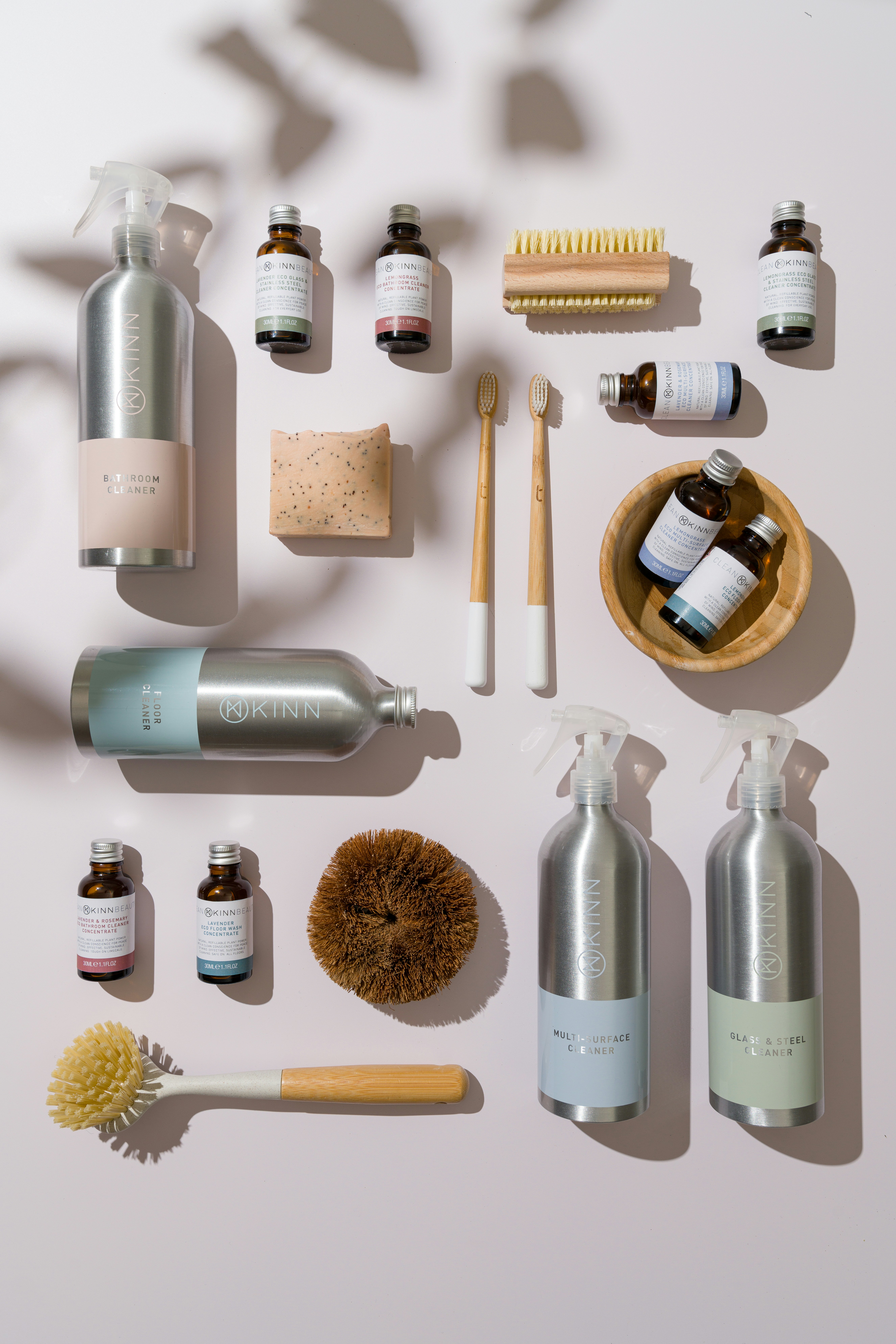
Maintaining cleanliness for wellness products is essential for effective use and longevity. Utilizing natural cleaning solutions not only ensures safety but also reduces the chemical footprint in your home. Common household items such as vinegar, baking soda, and essential oils can be fashioned into effective cleaners that are both gentle on surfaces and tough on grime.
One simple yet powerful solution is a vinegar-based cleaner. To create this cleaner, mix equal parts of white vinegar and water in a spray bottle. This homemade cleaner is effective against mold and mildew, making it ideal for disinfecting yoga mats, water bottles, and other wellness-related items. Additionally, the acetic acid in vinegar works as a deodorizer, leaving your products smelling fresh.
Baking soda is another excellent cleaning agent that boasts both deodorizing and scrubbing properties. For a basic paste, combine three parts baking soda with one part water. This mixture is particularly beneficial for tackling tough stains on exercise equipment or any surfaces where residue may accumulate. Simply apply the paste, let it sit for a few minutes, and then scrub or wipe clean with a cloth.
Essential oils not only provide pleasant scents but also have natural antibacterial properties. For a refreshing and cleansing spray, add a few drops of tea tree or lavender oil to your vinegar solution, enhancing its effectiveness against germs and bacteria. Mixing essential oils with a carrier oil such as coconut or olive oil can also be useful for cleaning wooden wellness products, as it nourishes the wood while cleaning.
While these natural solutions are generally safe, it is important to test them on an inconspicuous area first to ensure they do not cause any damage. Additionally, avoid mixing vinegar with baking soda as they neutralize each other, reducing effectiveness. In conclusion, adopting natural cleaning solutions can provide a safe and eco-friendly approach to maintaining your wellness products.
Safety Precautions When Cleaning Wellness Products
Cleaning wellness products is essential for maintaining their effectiveness and longevity; however, it is equally important to undertake this task with caution. One of the foremost safety precautions is to wear protective gloves. This simple step can shield your skin from harsh chemicals that may be present in many commercial cleaning solutions. Additionally, gloves can prevent the transfer of contaminants from your hands to your wellness products, ensuring a cleaner environment overall.
Proper ventilation is another vital safety measure. When utilizing cleaning products, always ensure that the area is well-ventilated. Open windows or doors, and consider using fans to circulate air. This practice helps reduce the concentration of any potentially harmful fumes in the air, making the cleaning process safer for you. Inhaling vaporized chemicals can lead to respiratory issues, dizziness, or other adverse health effects, thus highlighting the importance of a well-aired space.
When cleaning, be attentive to how you dispose of cleaning materials such as sponges, wipes, or paper towels. Dispose of them according to local regulations and consider opting for biodegradable or environmentally-friendly options. Improper disposal can pose risks not only to personal safety but also to environmental health.
It is also crucial to recognize toxic substances commonly found in commercial cleaners. Many products contain harsh chemicals, including phthalates, parabens, and sulfates. Opting for safer alternatives, such as vinegar or baking soda, can provide effective cleaning solutions without the risks associated with toxic ingredients. By selecting natural cleaning agents, you can safeguard both your wellness products and your health.
Troubleshooting Cleaning Issues
When cleaning wellness products, several issues may surface despite one’s best efforts. Common problems include persistent stains, unwanted odors, and potential damage to the items. Understanding how to address these challenges effectively is crucial to maintaining the integrity of your wellness products.
Stains can be particularly stubborn, especially if left untreated. To tackle persistent stains, it is vital first to identify the material of your wellness product. For instance, biodegradable and natural materials often require gentle cleaning agents. Using a mixture of mild soap and warm water can be effective. In cases where stains remain, applying a paste made from baking soda and water may help lift the stain without causing harm.
Odors can also be an issue, particularly with products that absorb moisture or are used in damp conditions. To eliminate odors, consider utilizing natural deodorizers such as activated charcoal or essential oils. Placing the affected item in a well-ventilated area can also facilitate the process. If odors persist after treatment, consider soaking the item in a solution of vinegar and water before rinsing thoroughly.
Lastly, caution is paramount when cleaning, as improper techniques can lead to damage. It is advisable to test any cleaning solutions on a small, inconspicuous area before proceeding with a full treatment. Additionally, avoid abrasive materials that may scratch or degrade the surface of your wellness products. If damage has already occurred, it may be beneficial to consult a professional or refer to the manufacturer’s guidelines for specific repair options.
By following these troubleshooting strategies, you can effectively address common cleaning issues, ensuring that your wellness products remain in optimal condition for continued use.
Conclusion and Best Practices Summary
In conclusion, maintaining the cleanliness and functionality of your wellness products is crucial for both hygiene and effectiveness. As discussed, regular cleaning helps prevent the buildup of dirt and bacteria that can compromise the integrity of products essential for your health and wellness journey. Adopting a routine will not only prolong the lifespan of your wellness items but also enhance their utility.
Here are some best practices for cleaning and maintaining your wellness products:
- Regular Cleaning: Establish a cleaning schedule that corresponds to the frequency of use. Items like yoga mats, essential oil diffusers, and fitness equipment should be cleaned after every use or at least weekly.
- Use Appropriate Cleaning Solutions: Select cleaning agents that are safe for the specific materials of your wellness products. For instance, natural cleaning solutions can be ideal for items that come into direct contact with skin.
- Follow Manufacturer Instructions: Always refer to the user manual or guidelines provided by the manufacturer for specific cleaning recommendations. This ensures that you will not damage your products while maintaining them.
- Inspection for Wear and Tear: Regularly check your wellness products for signs of damage or wear. Items that are chipped, cracked, or worn out may need to be replaced to ensure optimal performance.
- Organized Storage: Store your wellness products in a clean, dry place to prevent dust accumulation and exposure to moisture, which can lead to mold and mildew.
By integrating these best practices into your routine, you not only enhance the longevity and effectiveness of your wellness products but also promote a healthier lifestyle. It is imperative to remember that the state of the tools you use significantly impacts your wellness experience.